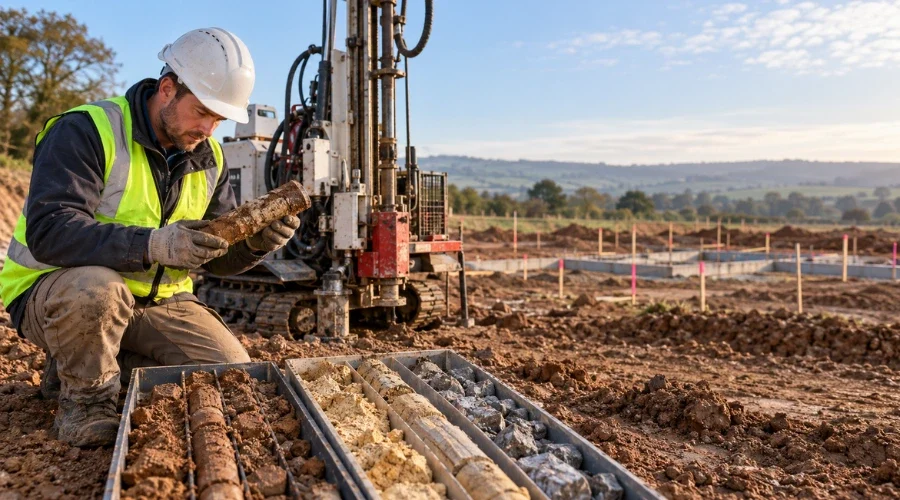
Before starting any construction project, understanding the ground condition is an important step. The soil beneath a structure directly affects the strength and stability of the foundation. Without proper knowledge about the soil, it can become difficult to decide the right foundation design and construction approach.
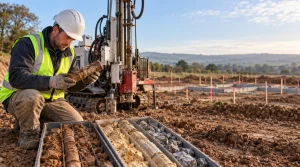
Soil testing helps engineers understand the characteristics of the ground before building work begins. It provides valuable information about soil strength, composition, and behaviour under different loads. This allows construction teams to plan foundations that match the actual site conditions.
What Is the Purpose of Soil Testing?
Soil testing is carried out to examine the quality and strength of the soil at a construction site. It helps identify whether the ground can safely support the planned structure.
Different locations have different soil conditions. Some areas may have strong and stable soil, while others may contain loose soil, clay, sand, or filled materials that require additional support.
By studying these conditions early, engineers can make better decisions about foundation requirements and construction methods.
How Does Soil Testing Help in Foundation Planning?
The foundation is one of the most important parts of any structure. It transfers the weight of the building safely into the ground. If the soil condition is not properly understood, the foundation may not perform as expected.
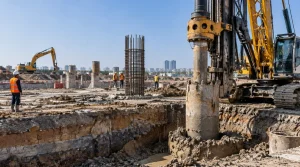
Soil testing provides details about factors such as soil bearing capacity, moisture levels, and depth of stronger soil layers. These details help engineers select suitable foundation solutions, including shallow foundations or deeper piling systems.
Proper foundation planning based on soil information reduces the chances of future structural problems.
What Problems Can Occur Without Soil Testing?
Skipping soil testing can create challenges during and after construction. A site may appear suitable on the surface, but deeper soil layers may have conditions that affect stability.
Some possible issues include uneven settlement, foundation cracks, water-related problems, and reduced structural performance. These problems may require expensive repairs and additional work after construction is completed.
Early soil investigation helps identify these risks before they become major concerns.
What Information Does Soil Testing Provide?
A detailed soil investigation provides important information about the ground conditions. Engineers use this data to understand how the soil will respond to construction activities.
Some key details obtained through soil testing include:
- Soil type and composition
- Load-bearing capacity
- Groundwater conditions
- Soil strength at different depths
- Suitability for foundation systems
This information helps create a construction plan that is suitable for the specific site.
Why Is Soil Testing Important for Large Projects?
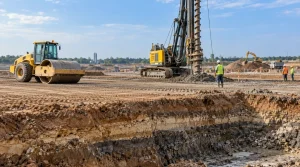
Large construction projects require careful planning because they place higher demands on the ground. Commercial buildings, industrial facilities, and infrastructure projects need foundations that can support significant loads.
For these projects, even small differences in soil conditions can influence the foundation design. Soil testing helps engineers develop solutions that improve safety and long-term performance.
It also supports better project planning by reducing unexpected issues during construction.
How Do Geotechnical Experts Help?
Soil testing requires technical knowledge and proper interpretation of results. Geotechnical specialists analyse the test findings and provide recommendations based on the project requirements.
They consider factors such as soil behaviour, structure type, and environmental conditions before suggesting suitable foundation or ground improvement solutions.
Ground Matrix Engineering provides geotechnical services that support construction projects through proper site evaluation, foundation planning, and ground-related solutions. Their approach focuses on understanding each site before recommending suitable engineering methods.
Final Thoughts
Soil testing is an essential step before any construction project begins. It helps identify ground conditions, supports better foundation decisions, and reduces the risks associated with unsuitable soil.
A strong structure depends on a strong foundation, and a strong foundation begins with understanding the ground. By investing time in soil investigation and working with experienced geotechnical professionals, construction teams can create safer and more reliable structures.