A strong foundation starts with stable ground. Before any construction project begins, understanding the condition of the soil is an important part of planning. In many locations, the existing ground may not have enough strength to support the weight of a structure. This is where ground improvement techniques help prepare the site for safe and reliable construction.
Ground improvement focuses on improving the strength, stability, and performance of soil before building work starts. It helps construction teams manage weak soil conditions, reduce settlement problems, and create a better foundation environment for different types of structures.
Why Do Some Construction Sites Need Ground Improvement?
Not every site has naturally strong soil conditions. Some areas may contain loose soil, soft clay, filled land, or materials that cannot provide enough support for heavy structures.
When weak soil remains untreated, it can lead to problems such as uneven settlement, foundation movement, and structural issues over time. These challenges can affect both the safety and durability of a building.
Ground improvement helps modify the existing soil conditions so the site can better handle the expected loads of the planned structure.
How Does Ground Improvement Strengthen Soil?
Different ground improvement methods are used depending on the type of soil and project requirements. These methods work by increasing soil strength, improving stability, or controlling settlement.
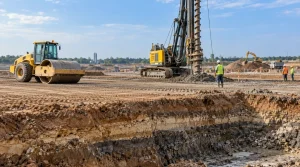
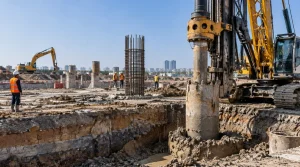
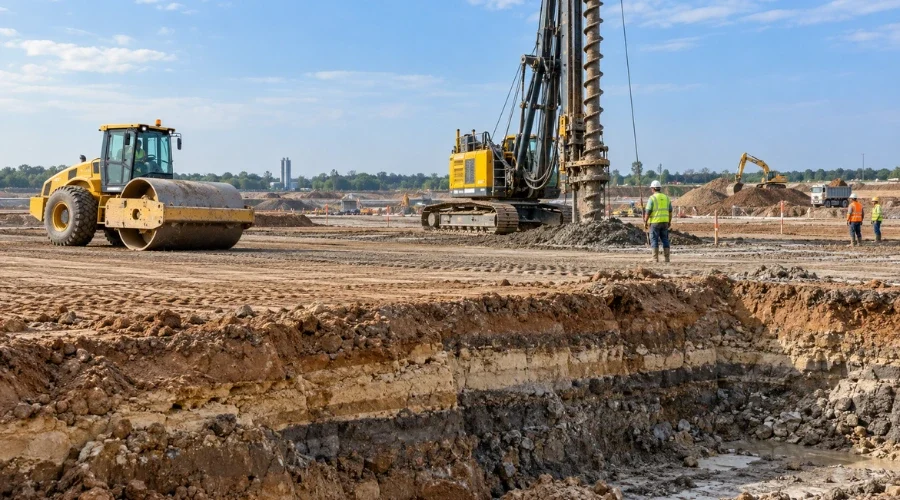
Some techniques involve compacting the soil to increase its density, while others may use materials or specialised methods to improve the load-bearing capacity of the ground.
The right approach depends on factors such as soil composition, groundwater conditions, construction requirements, and the type of structure being developed.
What Are the Benefits of Ground Improvement?
Ground improvement provides several advantages during construction. One of the main benefits is better soil performance, which creates a more stable base for foundations.
It can also help reduce the risk of unexpected ground-related problems during and after construction. By improving the soil before foundation work begins, construction teams can plan with better confidence.
Other benefits include:
- Improved bearing capacity of soil
- Reduced chances of uneven settlement
- Better support for heavy structures
- More efficient foundation design
- Reduced construction risks
These benefits make ground improvement an important consideration for projects where soil conditions create challenges.
When Should You Consider Ground Improvement?
Ground improvement is commonly considered when site investigations identify weak or unsuitable soil conditions. It is often used for large buildings, industrial facilities, infrastructure projects, and developments located in areas with difficult ground conditions.
Projects near coastal regions, reclaimed land, or areas with soft soil may especially require ground improvement solutions. In these situations, improving the ground before construction can help create a safer and more stable foundation system.
Early evaluation allows engineers to select the right method and avoid complications during later construction stages.
Why Is Professional Expertise Important?
Ground improvement requires proper planning and technical understanding. Choosing an unsuitable method or applying it incorrectly may not provide the expected results.
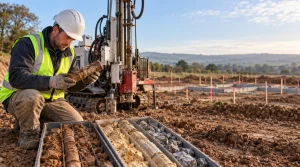
Experienced geotechnical contractors study the site conditions, analyse soil behaviour, and recommend solutions that match the project requirements. They also monitor the improvement process to ensure the work meets engineering standards.
Ground Matrix Engineering provides geotechnical contracting and ground improvement solutions designed around the specific needs of each project. By focusing on site conditions and engineering requirements, they help create stronger ground conditions for construction.
Final Thoughts
Ground improvement plays an important role in preparing challenging sites for construction. It helps transform weak soil conditions into a more suitable foundation environment for buildings and infrastructure.
Every construction project begins with the ground beneath it. Understanding soil conditions and choosing the right improvement method can help prevent future problems and support safer, long-lasting structures.
With proper investigation, planning, and execution, ground improvement provides a reliable way to overcome soil challenges and build on stronger ground.